
Medical Weight Management
When Is It Time to Seek Professional Support for Weight Loss?
Explore when additional support may help with weight management and what a personalized medical evaluation can include.
Read Article →
Medical Weight Management starts with your health and weight history, with laboratory testing when clinically indicated. Medication is one tool when it is clinically appropriate. Ongoing care supports long-term weight management, and results vary from person to person.
Book a Weight Management VisitAsk a QuestionText Us$150 first visit, $120 follow-up self-pay · Insurance Accepted
Practice provider: Charles Wade, FNP-BC. Information updated October 25, 2026.

Your first visit covers weight history, what you have tried, medications that can cause weight gain, and related conditions such as blood pressure, cholesterol and blood sugar. Lab and hormone testing may be ordered before any prescription.
Follow-ups track progress, side effects and the health markers that matter more than the scale. Nutrition and lifestyle counseling run through the whole plan.
Examples, not a complete list. If you do not see your concern, ask us.
You need to be physically in one of these states during the visit.
Medical Weight Management is a personalized, healthcare-guided approach to achieving and maintaining a healthier weight. At Wade’s Care First, we evaluate your medical history, lifestyle, metabolism, and weight-related health concerns to develop a treatment plan that may include nutrition guidance, physical activity, laboratory testing, and prescription medication when appropriate.
You may benefit from medical weight management if you have obesity, difficulty losing weight, weight regain, or health conditions related to excess weight. Prescription weight-loss medications are commonly considered for adults with a body mass index (BMI) of 30 or higher, or 27 or higher with certain weight-related medical conditions. Eligibility depends on your individual evaluation.
Your first visit includes a review of your weight history, previous weight-loss attempts, medical conditions, current medications, nutrition habits, and personal goals. Charles Wade, FNP-BC, will discuss appropriate treatment options and determine whether laboratory testing or medication may be beneficial.
Yes. Wade’s Care First offers convenient medical weight management appointments through secure video visits. When appropriate, laboratory testing can be ordered at a facility near you, and prescriptions can be electronically sent to your pharmacy. Some patients may require additional in-person evaluation.
GLP-1 and related medications, including treatments containing semaglutide or tirzepatide, may be considered when medically appropriate. Prescribing decisions depend on your medical history, treatment eligibility, contraindications, medication availability, and insurance coverage. A specific prescription is not guaranteed.
GLP-1 medications act on pathways involved in appetite regulation, fullness, and blood sugar control. Certain medications can help reduce hunger and food intake, making it easier for eligible patients to follow a sustainable nutrition plan. These treatments work best when combined with healthy lifestyle changes.
Not necessarily. Depending on your medical history and treatment needs, oral or injectable medications may be considered. Your provider will review available options, potential benefits, risks, costs, and personal preferences before developing a treatment plan.
No. Medication is only one possible part of medical weight management. Some patients benefit from nutrition changes, increased physical activity, behavioral strategies, better sleep, and management of medical conditions that contribute to weight gain. Your treatment plan is individualized.
Weight-loss results vary based on your starting weight, medical conditions, treatment plan, medication response, and lifestyle changes. Even modest weight reduction may improve certain health markers. We focus on realistic goals, improved health, and sustainable progress rather than guaranteeing a specific number of pounds.
Some patients notice changes in appetite or weight within the first several weeks, while others require more time. Progress depends on the treatment selected and individual response. Follow-up appointments allow us to review your progress and make adjustments when medically appropriate.
Laboratory testing may be recommended to assess blood sugar, cholesterol, kidney and liver function, thyroid function, or other health concerns. Testing is individualized based on your medical history and clinical findings. When needed, orders can be sent to a laboratory near you.
Side effects depend on the medication prescribed. Common side effects of GLP-1 and related medications include nausea, vomiting, diarrhea, constipation, and abdominal discomfort. Less common but potentially serious complications can occur. Persistent severe abdominal pain, repeated vomiting, or signs of dehydration require prompt medical evaluation. We discuss medication risks and monitoring before treatment.
No. Certain medications may be unsuitable for patients with specific medical conditions, medication interactions, or pregnancy-related considerations. For example, some GLP-1 medications should not be used by individuals with a personal or family history of medullary thyroid carcinoma or Multiple Endocrine Neoplasia syndrome type 2. A comprehensive evaluation helps determine the safest treatment approach.
Yes. Hormonal changes and conditions such as polycystic ovary syndrome (PCOS) can contribute to weight-management challenges. We can evaluate relevant symptoms, review medications, order appropriate testing, and discuss treatment options based on your individual needs.
Weight management can be an important part of addressing metabolic health concerns. Depending on your condition, improvements in weight may help blood sugar, blood pressure, cholesterol, and other health markers. Treatment also includes appropriate monitoring and management of any underlying medical conditions.
Follow-up frequency depends on your treatment plan, medication use, side effects, and progress. Patients starting or adjusting medication may need closer monitoring. Visits may include weight trends, nutrition habits, treatment response, laboratory results, and medication adjustments when appropriate.
Not necessarily, although some patients benefit from long-term medication management. Obesity is often a chronic condition, and treatment duration depends on effectiveness, safety, medical needs, and personal goals. We periodically reassess whether continuing medication remains appropriate.
Some individuals experience increased appetite or regain weight after discontinuing medication. A long-term maintenance plan involving nutrition, physical activity, behavioral strategies, and ongoing medical support can help address these challenges. Any medication changes should be discussed with your provider.
Weight-loss plateaus are common. We can reassess your nutrition, physical activity, sleep, medications, and medical conditions to identify possible contributing factors. Your treatment plan may be adjusted based on your progress, clinical needs, and goals.
Wade’s Care First accepts many insurance plans, although coverage varies by insurer, state, and individual policy. Coverage for office visits and prescription weight-loss medications may differ. Some medications require prior authorization or are excluded from certain insurance plans.
Our currently listed self-pay rate is $150 for the initial medical weight management visit and $120 for follow-up appointments. Prescription medications, laboratory testing, and pharmacy charges may be billed separately. Insurance benefits and patient responsibility vary by plan.
Getting started is simple. Schedule a secure telehealth appointment with Wade’s Care First, complete your patient intake information, and meet with Charles Wade, FNP-BC, to discuss your goals and treatment options.
No. We may also review waist measurements, blood pressure, blood sugar, stamina, daily habits and how you feel. Health improvements do not always track perfectly with short-term weight changes.
An individualized plan may include adequate protein, resistance exercise and gradual activity changes. Specific recommendations depend on your health and abilities.
Yes. Sleep and stress can influence appetite, energy, routines and food choices. Addressing them can support a sustainable plan.
Hunger is useful information. We can review meal patterns, nutrition, sleep, medications and other factors before considering adjustments.
Some patients find simple tracking helpful, but it is not required for everyone. The goal is to identify sustainable patterns without creating unnecessary stress.
Yes. Some medications slow digestion and can cause constipation or other gastrointestinal effects. Discuss persistent symptoms with your clinician; severe pain or repeated vomiting requires prompt assessment.
Weight-loss medications such as GLP-1–based treatments are generally not used during pregnancy. Tell your provider if you are pregnant, breastfeeding or planning pregnancy so treatment and timing can be reviewed.
Never adjust them on your own. Weight changes and certain treatments can affect blood sugar, so medication and monitoring needs may change under clinical supervision.
Do not combine prescription weight-loss medications without clinician guidance. Safety, interactions and whether combinations are appropriate must be reviewed individually.
Instructions vary by the exact medication and how long it has been since the missed dose. Follow the product guidance or contact your prescriber rather than doubling a dose.
Services, screening recommendations, testing, treatment options, referrals and prescribing may vary with your age, medical history, symptoms, where you are physically located at the time of the visit, state and federal requirements, insurance requirements, and whether your condition can be safely managed by telehealth. Conditions and services listed here are examples. An appointment does not guarantee a particular diagnosis, a prescription, a controlled medication, hormone therapy, a lab order, an imaging study, a sleep study, a specialist referral, an accommodation letter or a particular treatment. Treatment decisions follow a clinical evaluation and the provider’s judgment.
Practice provider: Charles Wade, FNP-BC. Information updated October 25, 2026.
Understand the topic, review common questions and explore your care options.
Medical Weight Management
Explore when additional support may help with weight management and what a personalized medical evaluation can include.
Read Article →
Medical Weight Management
See how nutrition, movement, sleep, and follow-up can work alongside medical weight management in an individualized plan.
Read Article →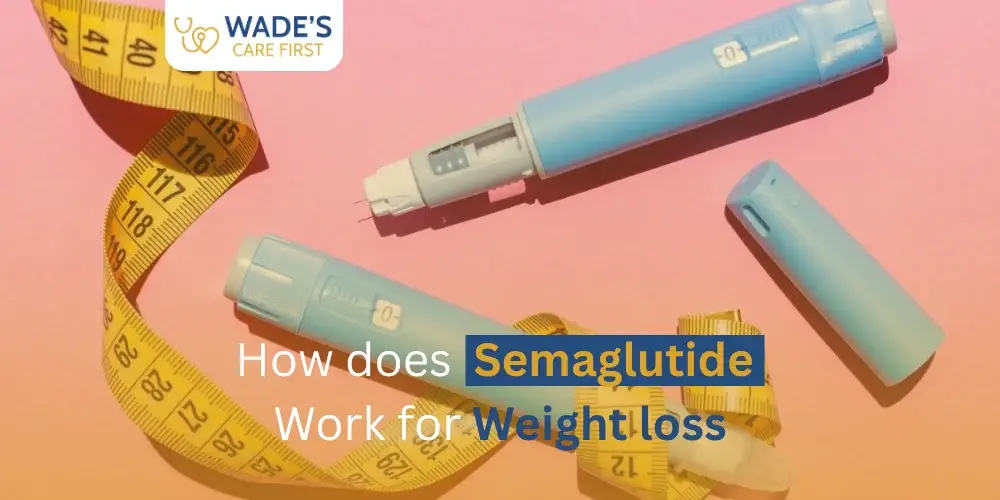
Medical Weight Management
Learn how semaglutide works, what an evaluation involves, and why treatment includes more than medication alone.
Read Article →Not sure telehealth fits, whether your plan is accepted or which visit to book? Ask. A real person from the practice gets back to you.

Arizona, Florida, Illinois, Indiana, Kentucky, Michigan, Nevada and New York, with Texas in licensing.
Book a Weight Management VisitAsk a QuestionText UsIf this is an emergency, call 911. For mental health crisis support, call or text 988 anytime.