A lot of people leave doctor appointments with a prescription they won’t fill and a follow-up they won’t book. Not because they don’t care about their health. Because something about that visit didn’t work for them and they can’t always put a finger on exactly what.
Sometimes it’s language. Sometimes it’s feeling judged or rushed. Sometimes the advice made no sense given their actual life. Whatever it was, they’re not going back.
Who Gets Left Out
Healthcare in the US was largely built around one kind of patient. English speaking, insured, familiar with how clinics work, comfortable pushing back on a doctor. A lot of people aren’t that patient. And the further someone is from that assumed default, the less the system tends to work for them.
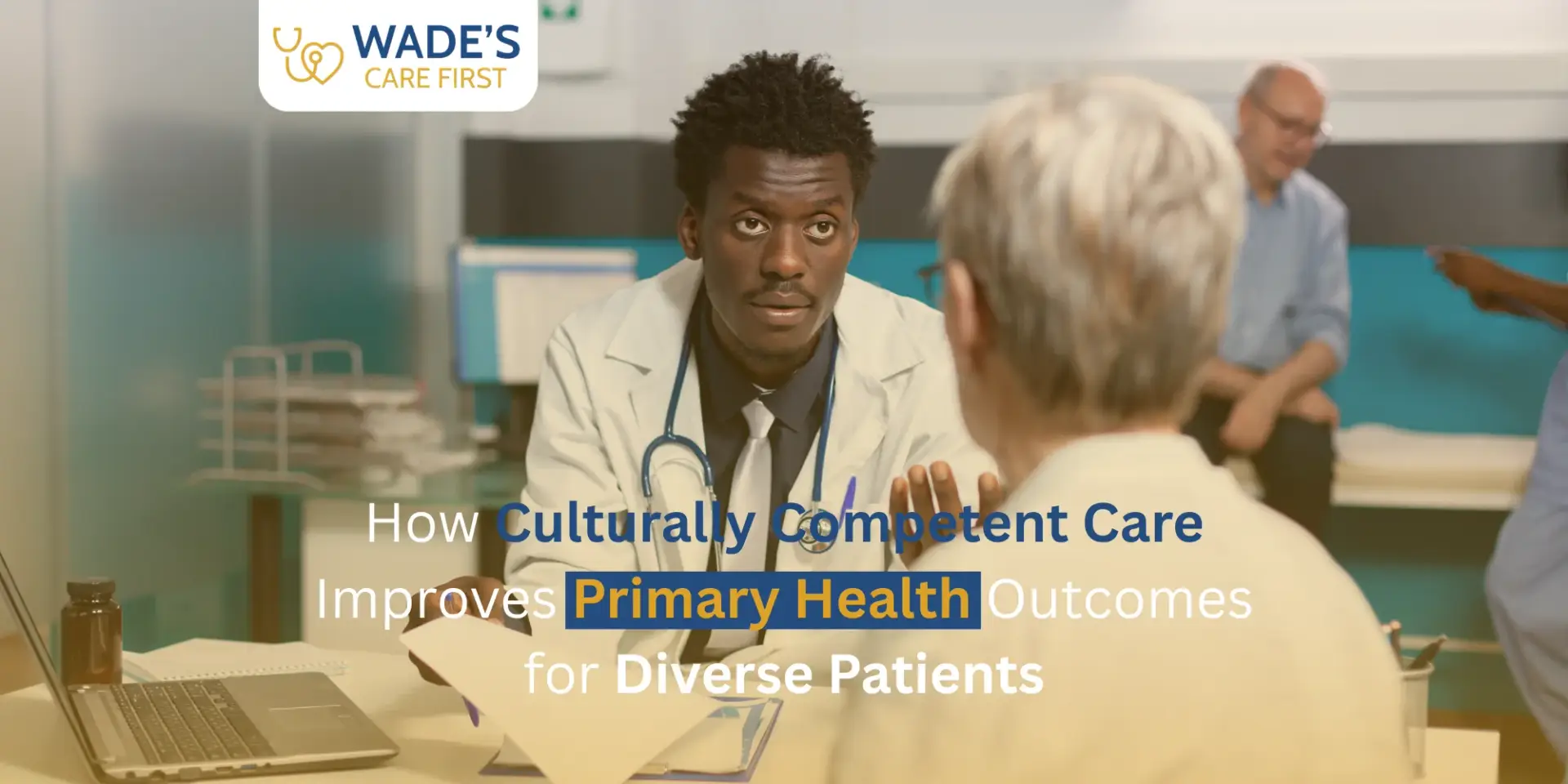
A provider who adjusts to who’s actually in the room gets different results than one who doesn’t. Better information from the patient. More honest answers. A care plan the person can realistically follow.
The Health Gaps Are Real
Black adults get hypertension more often and earlier than white adults. Hispanic adults face nearly double the risk of type 2 diabetes. Indigenous communities have some of the highest rates of heart disease and untreated mental illness in the country.
These aren’t random. They come from access problems, a long history of medical institutions treating certain communities badly, and care that hasn’t consistently reached the people who need it most. Providers who know this history and take it seriously tend to do better by the patients carrying it.
Language Matters More Than Most Practices Treat It
Around 26 million people in the US don’t speak English as their primary language. In a lot of medical settings that means a family member who wasn’t planning to translate a conversation about blood pressure, or a phone interpreter on a bad line. Things get missed. Patients leave confused.
When a provider or practice actually addresses this rather than technically checking the box, patients get clearer information and better care.
Trust Takes Time
Some patients walk in skeptical. Black patients have been subjected to medical experimentation without consent. Indigenous communities were harmed by federal health programs that were supposed to help them. Studies have found race affects how providers assess and treat pain.
Patients who carry that history aren’t being difficult. They’re being careful. A provider who earns trust rather than expecting it gets more from those patients. More honesty. Earlier calls when something changes. Less waiting until things get bad enough that there’s no other choice.
What Research Shows
NIH and AHRQ studies link culturally competent care to better control of chronic conditions like diabetes and hypertension, more consistent use of preventive care, fewer medication errors, and stronger patient follow-through. None of that is surprising. When people feel respected and understood they participate in their own care differently.
Wade’s Care First
Charles Wade, FNP-BC, does telehealth primary care and medical weight loss across Arizona, Florida, Illinois, Indiana, Kentucky, Michigan, Nevada, New York, and Texas. He pays attention to the person, not just the chart.
Book a telehealth visit.
Phone: 317.765.0603
Website: wadescarefirst.com
FAQs
What even is culturally competent care?
It means your provider takes your background, language, and life into account instead of assuming every patient is the same person.
Is it just about language?
No. Language is one piece. It’s also about understanding why some people don’t trust doctors — why certain communities deal with higher rates of specific conditions, and why generic advice doesn’t always land.
Why does it matter for health outcomes?
When patients feel respected they’re more honest with their provider, more likely to follow through on a care plan and more likely to come back. That’s how conditions get managed before they get serious.
Who is this actually relevant for?
Anyone who’s ever left a doctor’s visit feeling like the whole thing wasn’t really designed for them!
Does Wade’s Care First practice this way?
Yes. Charles Wade, FNP-BC, focuses on the actual person in front of him, not a generic patient profile. Telehealth visits are available across nine states.
How do I book?
Call 317.765.0603 or go to wadescarefirst.com.